
OpenAI has launched ChatGPT Health for users aged 18 and older in the United States, bringing personalized health features directly into regular ChatGPT conversations. After months of testing in a separate portal, the feature now allows the AI to reference a user’s medical information whenever it is relevant.
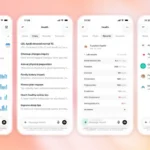
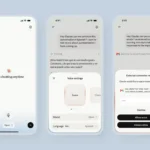
Through the new Health section in ChatGPT, users can securely connect data from sources such as Apple Health, Kaiser Permanente, and One Medical. The chatbot can also take into account details like existing medical conditions, medications, family health history, doctors’ notes, and lab results to provide more personalized responses.
The goal is to help users better understand medical information by summarizing appointments, explaining test results, identifying health trends, and suggesting useful follow-up questions to ask healthcare providers. OpenAI says the feature is intended to improve health literacy rather than replace professional medical advice.
Despite the added personalization, OpenAI emphasizes that ChatGPT is not a medical professional. The company warns that the AI can still make mistakes and should not be relied on for diagnoses or treatment decisions.
Privacy remains a key focus. OpenAI says health data connected through ChatGPT Health is not used to train its AI models or for advertising purposes. Users also have full control over when ChatGPT can access their medical information and can disconnect their health accounts at any time.
The rollout comes during a challenging period for OpenAI. The company is facing a lawsuit from a pastor who claims ChatGPT provided harmful medical advice that contributed to him delaying treatment for a pulmonary embolism. OpenAI is also involved in a separate legal dispute with Apple, making its integration with Apple Health an especially notable aspect of the new feature.
While ChatGPT Health offers a more personalized way to understand health information, users are encouraged to treat it as a supportive tool rather than a substitute for qualified medical professionals.